In today’s digital world, it is possible to learn almost anything online. From creative skills to academic subjects, online courses are widely available and convenient. CPR education is no exception — many online CPR courses now exist. While these courses may help learners understand the theory behind cardiopulmonary resuscitation, they do not replace hands-on CPR training.
CPR is a physical, practical skill that requires proper technique, strength, and confidence. Without in-person practice, learning CPR remains academic and may not prepare someone to respond effectively during a real emergency.
CPR Is a Hands-On Skill
Effective CPR requires:
- Correct hand placement
- Proper compression depth and rate
- Physical endurance
- Confidence under pressure
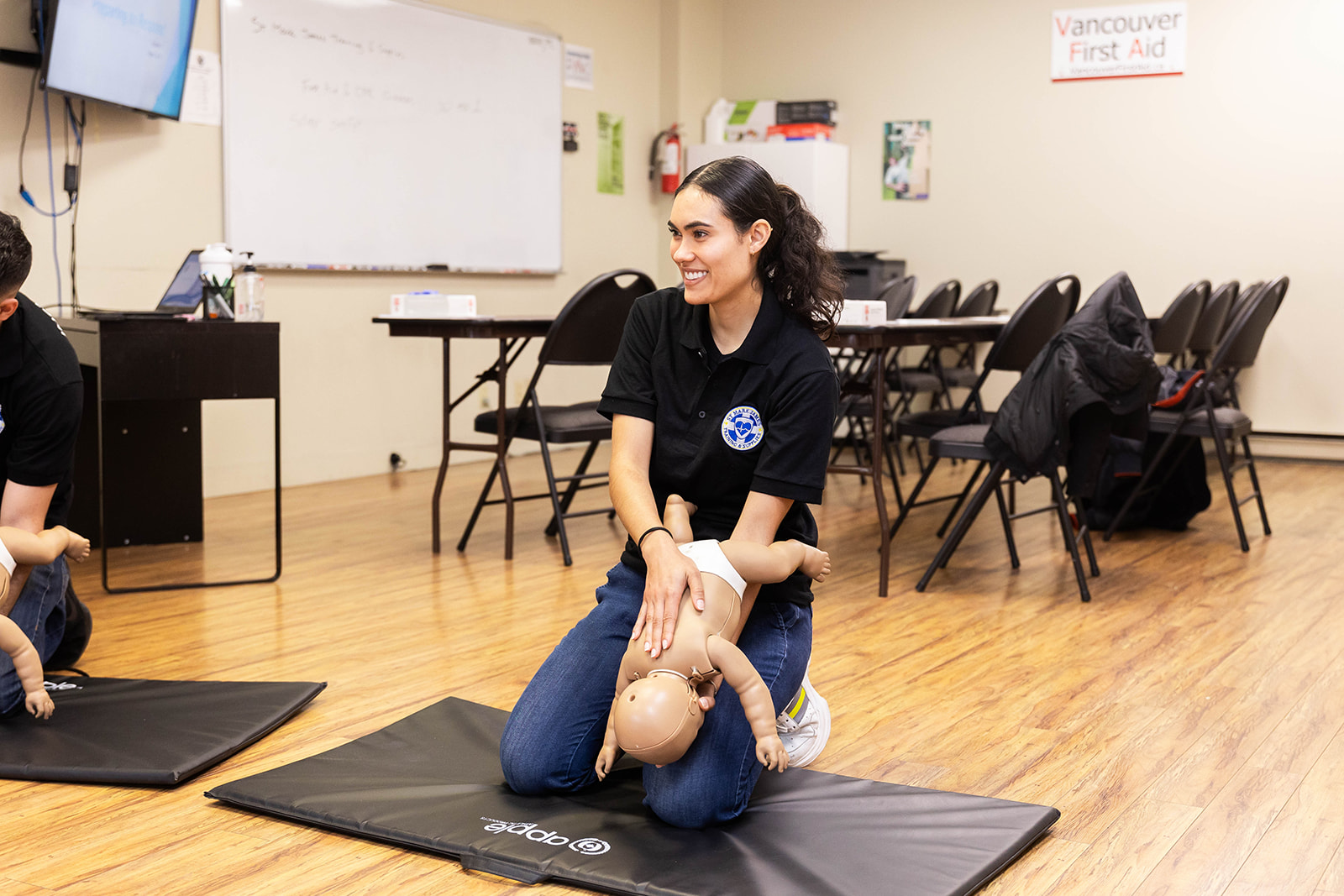
These skills cannot be learned through reading or videos alone. Hands-on practice with training equipment and instructor feedback is essential to ensure compressions and rescue breaths are performed correctly.
A helpful comparison is learning to swim. You can study swimming techniques in books or videos, but until you enter the water and practice, you cannot truly swim. CPR training works the same way.
Limitations of Online-Only CPR Courses
Online CPR courses may:
- Teach theoretical knowledge
- Review guidelines and protocols
- Offer convenience and flexibility
However, many online-only programs:
- Do not include hands-on skills practice
- Cannot assess compression quality or technique
- May not meet employer or workplace requirements
Even if an online course claims to follow established guidelines, certification without skills evaluation is often not accepted by employers, childcare providers, healthcare settings, or regulatory bodies.
Why Employers Require In-Person CPR Certification
Many workplaces require CPR certification that includes hands-on evaluation. This ensures participants can:
- Perform high-quality chest compressions
- Deliver rescue breaths correctly
- Use an AED safely
- Respond confidently in real emergencies
Online-only certificates are often rejected or require re-certification through an approved training provider.
Choosing the Right CPR Training Provider
To avoid issues with certification acceptance, it is important to enroll in workplace-approved CPR training that includes:
- In-person instruction
- Hands-on practice with mannequins and AED trainers
- Instructor feedback and skills assessment
- Certification recognized by employers
Blended learning options may be available, combining online theory with in-class skills practice.
The Value of Proper CPR Training
Learning CPR properly can save lives. Hands-on training ensures that participants are prepared not just to know CPR, but to do it correctly when it matters most.
At Hamilton First Aid, our CPR courses focus on practical skill development, confidence-building, and certification that meets workplace and regulatory standards.
Related Video
About The Author

Mark Kascha
Certified First Aid Instructor Trainer with 30+ years of real-world experience, including lifeguarding, workplace emergency response, and first aid program development across Canada. Has worked with WorkSafeBC, WSIB, and Manitoba Health.
👉 [View full credentials]🔗 View LinkedIn Profile
Last reviewed: March 2026