Emergencies can happen at any time — at home, at work, or in public spaces. Knowing how to respond in those critical moments can make a meaningful difference. This is why first aid and CPR certification is an essential skill for individuals, workplaces, and communities.
First aid training provides the knowledge and confidence needed to respond calmly, take appropriate action, and support someone until professional medical help arrives.
Real-World Value of First Aid Certification
First aid certification prepares individuals to respond effectively during unexpected situations such as:
- Sudden illness or collapse
- Cardiac and breathing emergencies
- Choking incidents
- Severe bleeding or injuries
- Burns, fractures, and wounds
Instead of feeling helpless or panicked, trained individuals can recognize emergencies early and act safely.
The Importance of CPR Training
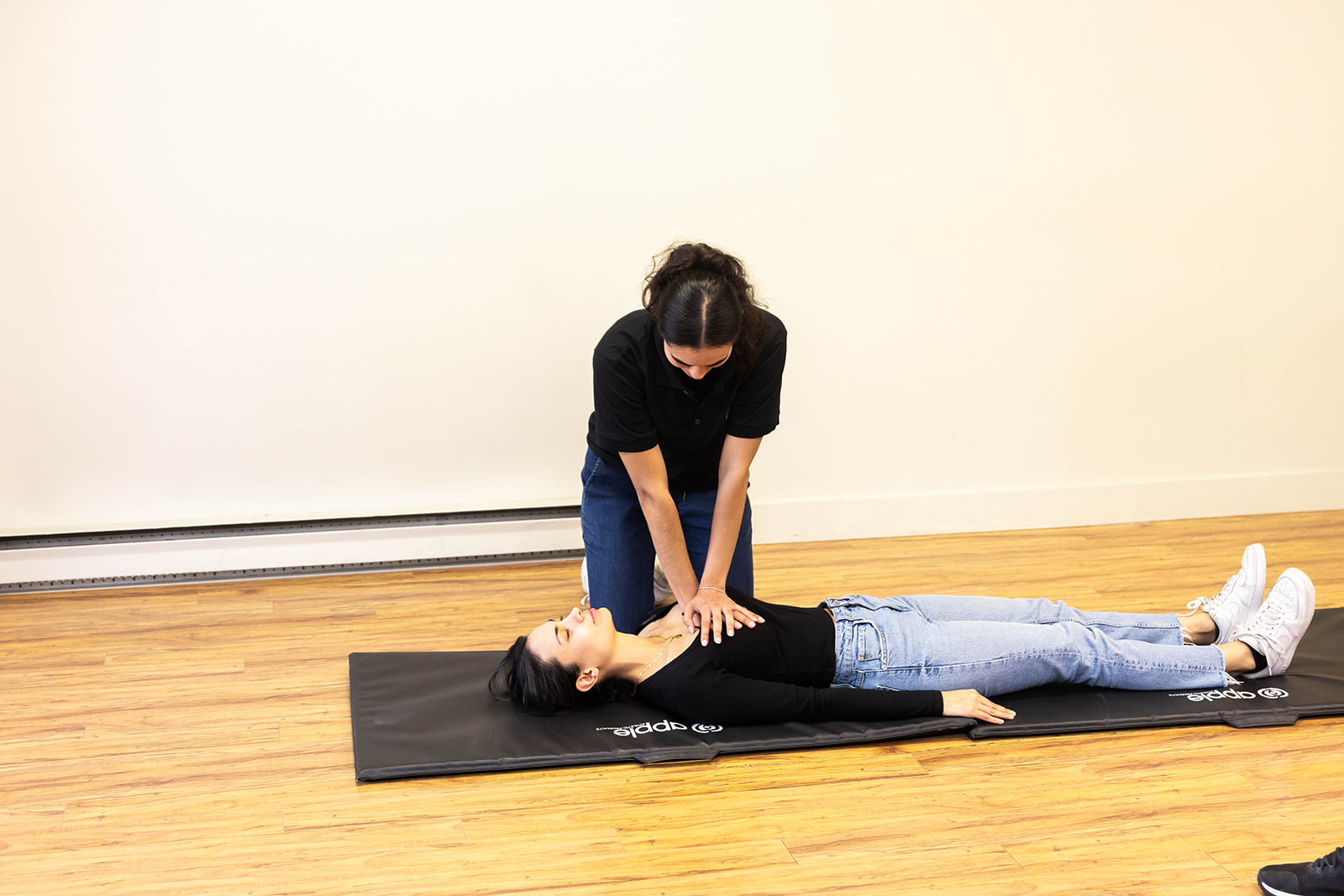
CPR training is a core component of first aid certification and is recognized worldwide. Cardiopulmonary resuscitation is a life-saving skill used when a person’s breathing or heartbeat has stopped.
First aid and CPR courses teach participants how to:
- Recognize cardiac emergencies
- Perform CPR on adults, children, and infants
- Use an automated external defibrillator (AED)
- Provide care while waiting for emergency services
These skills are especially important in workplaces, public settings, and homes.
First Aid Certification for Work and Everyday Life
Many employers require WSIB first aid certification, but the benefits extend well beyond compliance. Certified individuals are valuable in:
- Offices and industrial workplaces
- Schools and childcare settings
- Fitness facilities and recreation centres
- Homes and community environments
Having trained responders nearby improves overall safety and preparedness.
Flexible First Aid and CPR Training Options
Modern first aid programs offer flexible learning options to fit busy schedules. Training may include:
- In-class, hands-on instruction
- Blended learning (online theory with in-person skills practice)
Hands-on practice is essential to ensure participants can confidently apply skills in real emergencies.
Skills Gained Through First Aid Certification
During first aid and CPR courses, participants learn how to:
- Assess an emergency scene safely
- Control bleeding and manage wounds
- Respond to burns, fractures, and soft tissue injuries
- Recognize signs of shock, poisoning, and allergic reactions
- Perform CPR and use an AED
Training focuses on practical, real-world application rather than memorization.
Certification and Ongoing Preparedness
First aid certification must be renewed regularly to ensure skills remain current and aligned with the latest guidelines. Staying certified helps individuals remain confident, prepared, and effective responders.
At Hamilton First Aid, a St Mark James Training provider, our first aid and CPR certification courses are designed to be practical, engaging, and aligned with workplace and community needs.
Be Prepared to Make a Difference
First aid certification is more than a credential — it’s a responsibility and a valuable life skill. By completing first aid and CPR training, individuals are better prepared to respond during emergencies and contribute to safer environments for everyone.
About The Author

Mark Kascha
Certified First Aid Instructor Trainer with 30+ years of real-world experience, including lifeguarding, workplace emergency response, and first aid program development across Canada. Has worked with WorkSafeBC, WSIB, and Manitoba Health.
👉 [View full credentials]🔗 View LinkedIn Profile
Last reviewed: March 2026