Falls and seating-related injuries are common causes of lower-body trauma. In professional first aid courses, participants learn how to recognize injuries like tailbone (coccyx) injuries and provide safe, supportive care until medical assessment is available.
A tailbone injury occurs when the coccyx becomes bruised, strained, or — less commonly — fractured. While most tailbone injuries are not life-threatening, they can be painful and may require medical follow-up.
What Is the Tailbone (Coccyx)?
The tailbone, or coccyx, is a small triangular bone at the base of the spine. It is made up of several fused bones and serves as an attachment point for muscles, tendons, and ligaments that support posture and movement.
Because of its position, the coccyx is vulnerable to injury from falls, direct impact, or prolonged pressure.
Common Causes of Tailbone Injuries
As covered in first aid and CPR courses, tailbone injuries may result from:
- Falls onto the buttocks, especially on hard or slippery surfaces
- Direct impact to the lower spine
- Prolonged sitting or repetitive pressure (such as cycling or rowing)
- Childbirth
- Trauma or strain to surrounding tissues
Women are statistically at higher risk due to anatomical differences in the pelvis.
Signs and Symptoms to Watch For
First aid responders are trained to recognize symptoms that may indicate a tailbone injury, including:
- Pain or tenderness when sitting or applying pressure
- Increased pain when leaning back or changing position
- Discomfort during bowel movements
- Visible bruising following trauma
- Numbness or radiating discomfort in some cases
Severe, worsening, or persistent pain should always be assessed by a healthcare professional.
First Aid Response for Tailbone Injuries
Tailbone injuries are rarely medical emergencies, but first aid courses emphasize supportive care and injury protection.
Appropriate first aid actions may include:
- Encouraging rest and avoiding activities that increase pain

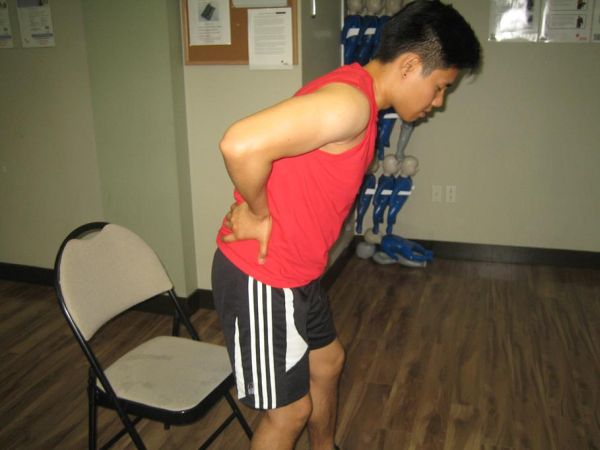
Tailbone Injury - Limiting prolonged sitting and avoiding hard surfaces
- Using cushions or padded seating to reduce pressure
- Applying cold therapy when trained and appropriate to reduce discomfort
- Monitoring symptoms and recommending medical evaluation when needed
Medication use, diagnosis, and treatment plans are outside the scope of first aid and should be managed by healthcare professionals.
When to Seek Medical Care
Medical attention is recommended if:
- Pain is severe or worsening
- Sitting or walking becomes increasingly difficult
- Numbness or neurological symptoms occur
- Symptoms do not improve over time
Learn More Through First Aid and CPR Courses
Understanding musculoskeletal injuries like tailbone trauma is part of comprehensive first aid and CPR courses. At Hamilton First Aid, our certification programs focus on injury recognition, safe response, and knowing when to escalate care.
Proper training helps responders support injured individuals safely and confidently in workplace and community settings.
About The Author

Mark Kascha
Certified First Aid Instructor Trainer with 30+ years of real-world experience, including lifeguarding, workplace emergency response, and first aid program development across Canada. Has worked with WorkSafeBC, WSIB, and Manitoba Health.
👉 [View full credentials]🔗 View LinkedIn Profile
Last reviewed: March 2026